NEED TO KNOW
Facts to guide your decision:
• SR-22 is not insurance– it's a certificate of financial responsibility your insurer files with the state.
• Usually required after serious violations (DUI, driving without insurance, multiple tickets, suspended license).
• Must remain active for 2–3 years in most states.
• Can raise your insurance premium, but keeping continuous coverage may help lower it again.
If you’ve been told you need an SR-22, you probably have questions - and maybe even some concerns. Don't worry! While the SR-22 form might sound complicated, it’s really just a simple requirement that proves you carry enough car insurance.
Why does this matter? Because without an SR-22, you may not be able to legally drive, reinstate your license, or maintain affordable coverage. Understanding what an SR-22 is, who needs one, and how it affects your insurance can save you stress—and money - in the long run. Keep reading to learn the essentials.
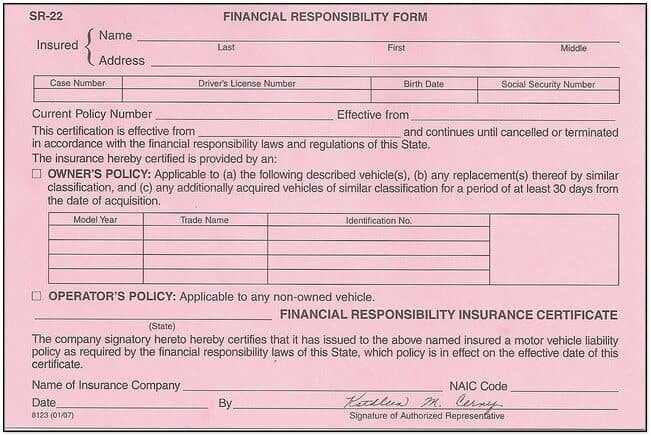
What is an SR-22 Certificate?
An SR-22 is not insurance. It’s a certificate of financial responsibility that your auto insurance provider files with your state. It shows that you’re carrying at least the minimum liability coverage required by law after certain driving violations.
Many people call it “SR-22 insurance,” but that’s a common misunderstanding. The SR-22 doesn’t create a new type of policy - it’s simply paperwork tied to your existing auto insurance that proves you’re covered.
Why do SR-22s Exist?
Drivers sometimes wonder why this extra form even exists. The short answer: states needed a way to keep tabs on high-risk drivers. By the 1970s, most states required car insurance, but tracking who had active coverage was difficult.
The SR-22 was introduced as a simple system for insurance companies to confirm that drivers with serious violations were continuously insured. Instead of states trying to chase down every driver, insurers send the certificate directly — making it easier for states to enforce compliance and keep the roads safer.
How Deductibles Evolved Over Time
Mid-20th century: Deductibles were usually flat amounts, often between $50 and $100, which covered a significant share of minor repair costs at that time.
1970s–1980s: As repair costs increased, insurance companies began offering higher deductible options (like $250 or $500) to balance rising premiums.
1990s–2000s: Deductibles became a tool to help customers customize their policies, with higher deductibles lowering monthly premiums and lower deductibles offering more financial protection.
Today: Deductibles typically range from $250 to $2,000 or higher, with flexible options depending on the driver’s financial situation and what the insurance company offers.
This evolution is why today’s drivers have more choice — but also more decisions to make — about deductible amounts.
Who Needs an SR-22?
You may need an SR-22 if your state considers you a high-risk driver. Common reasons include:
• A DUI or DWI conviction
• Driving without insurance
• Causing an accident without proof of financial responsibility
• Multiple traffic violations in a short period
• A suspended or revoked license
Every state sets its own rules, so your situation may be different. If you’ve been told you need an SR-22, check with your state’s DMV to confirm the exact requirements.

Do SR-22s affect Car Insurance Cost?
In most cases, yes. Filing an SR-22 itself is inexpensive - usually $15–$50 depending on your state. The bigger cost comes from your insurance premium. Because an SR-22 is often required after a high-risk violation (like a DUI or driving without insurance), most insurers will raise your rate.
The good news? Keeping continuous coverage and avoiding new violations can help your premium go down again over time.
Do I Need an SR22 If I Don't Own a Car?
Yes, you might. Even without a vehicle, some states still require you to carry an SR-22 to keep your license valid. In that case, you can get a non-owner car insurance policy with the SR-22 attached. This option proves you’re insured and lets you stay on the road legally - even if you don’t currently own a car.
FAQs
Your Top Questions Answered
Insurance doesn’t have to be confusing. Check out some of our most popular questions below, or dive into our full FAQ for everything you need to know.
Want to learn more? Explore the FAQs
EXPLORE MORE ARTICLES
Recent Blogs
Understanding How Car Insurance Fits Into Your Fin...
Car insurance is more than just a legal requirement. It’s really part of your own personal financial protection plan, so you don’t face unexpected expenses when you’re in an accident.
Rideshare & Delivery Drivers
Rideshare apps like Uber and Lyft can be a great way to earn extra income as a rideshare driver. You may think that your personal car insurance policy will cover you if you’re using your own car for these apps or others like DoorDash and Instacart. You will likely need an entirely different policy should you have an accident while working for one of these companies.
Real Life Driving: Fall Auto Care Keeps You Safe o...
The leaves are falling and so are the temperatures. You might not realize that the change in seasons can affect your vehicle.
Is My College Student Covered by My Auto Insurance...
Sending your student off to college is exciting — and maybe a little nerve-wracking. Between dorm shopping and tuition paperwork, car insurance probably isn’t top of mind, but it should be. Making sure your student is covered can save you stress (and money) later.
Understanding Your Insurance: Do You Need Uninsure...
Being in an accident can be scary, stressful – and expensive, especially if the other driver doesn’t have car insurance. Uninsured Motorist coverage helps you avoid paying out of pocket expenses for damages to your car or medical bills caused by a driver with no insurance.
What to Do If Your Auto Insurance Gets Canceled: A...
What to Do If Your Auto Insurance Gets Canceled: A Step-by-Step Guide
SR-22s Explained: What They Are and How They Affec...
When you buy car insurance, you’ll need to choose a deductible. That is the amount you pay out-of-pocket you agree to pay before your auto insurance pays for any damages. Before you choose a deductible, here’s a few quick facts to guide your decision.
No Car Insurance? What Happens After an Accident
When you buy car insurance, you’ll need to choose a deductible. That is the amount you pay out-of-pocket you agree to pay before your auto insurance pays for any damages. Before you choose a deductible, here’s a few quick facts to guide your decision.
Choosing the Right Car Insurance Deductible for Yo...
When you buy car insurance, you’ll need to choose a deductible. That is the amount you pay out-of-pocket you agree to pay before your auto insurance pays for any damages. Before you choose a deductible, here’s a few quick facts to guide your decision.

Insurance Doesn't Have to Be Stressful
Ready to see how simple it can be?